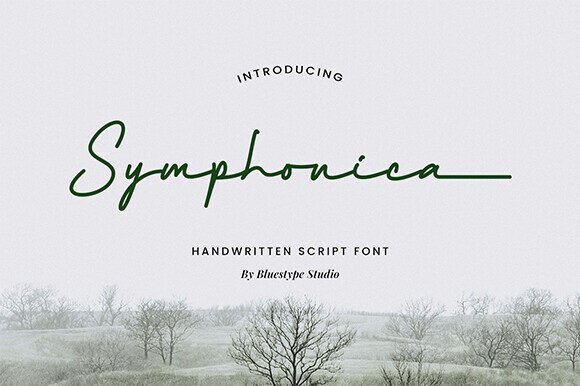
Symphonica: A Timeless Handwritten Font for Elegance and Sophistication
Symphonica is more than just a font—it’s a design choice that brings a sense of tradition, grace, and refinement to any project. Inspired by the fluid beauty of classic penmanship, this handwritten font captures the essence of elegance while maintaining a modern appeal. Whether you're crafting wedding invitations, designing a brand identity, or creating a heartfelt quote, Symphonica offers a unique way to convey sophistication through typography.
Understanding Symphonica’s Design Philosophy
Symphonica was created with a focus on readability and aesthetic harmony. Unlike many digital fonts that prioritize speed or novelty, this font balances form and function. Its curves are inspired by historical calligraphy, yet it remains legible in both print and digital formats. This makes it versatile enough to fit into a wide range of creative and professional contexts.
The font’s structure reflects a thoughtful approach to design. Each letter is crafted to flow naturally, creating a visual rhythm that feels both intentional and organic. This attention to detail ensures that Symphonica can be used confidently in projects where presentation matters—whether for branding, marketing, or personal expression.
Where Does Symphonica Fit Into the Creative Process?
Symphonica can be integrated at various stages of a project, depending on your goals and workflow. It’s particularly well-suited for tasks that require a touch of personality or artistry. For example, during the planning phase of a branding initiative, using Symphonica in mockups or concept visuals can help communicate the tone and style of the final product before development begins.
During the execution phase, Symphonica can serve as a design element that unifies different components of a project. Whether you’re creating a logo, designing a website, or formatting a document, the font adds a layer of sophistication that elevates the overall look and feel.
In the review and finalization stage, Symphonica can be used to present drafts or proposals. Its elegant appearance helps make content more engaging and visually appealing, which can be especially useful when communicating with clients or stakeholders.
Practical Use Cases for Symphonica
Symphonica shines in scenarios where a handwritten aesthetic adds value. Here are a few common use cases:
- Wedding Invitations: The font’s graceful curves and elegant structure make it perfect for formal or semi-formal wedding designs. It adds a personal touch without overwhelming the message.
- Brand Identity: For businesses that want to convey warmth, creativity, or tradition, Symphonica can be used in logos, packaging, or promotional materials to create a cohesive and memorable brand image.
- Heartfelt Quotes: Whether it's for a social media post, a greeting card, or a printed quote, Symphonica brings a sense of emotion and care to the text.
- Marketing Materials: In brochures, banners, or email campaigns, the font can help differentiate your content from competitors and leave a lasting impression.
- Personal Projects: From journaling to scrapbooking, Symphonica adds a stylish and nostalgic element to personal creative endeavors.
Integrating Symphonica Into Your Workflow
To get the most out of Symphonica, consider how it fits into your existing tools and processes. If you work primarily in design software like Adobe Illustrator or Photoshop, importing the font as a vector ensures high-quality output across different platforms. For web-based projects, ensure the font is properly embedded or linked to maintain consistency across devices and browsers.
When working with teams, it’s important to communicate the font’s characteristics and usage guidelines. Sharing style guides or sample documents can help align expectations and ensure that the font is used effectively throughout the project lifecycle.
Best Practices for Using Symphonica
While Symphonica is a beautiful font, it’s not always the best choice for every situation. Here are some tips to help you use it effectively:
- Use it sparingly: Because of its ornate design, overuse can make text difficult to read. Save it for headlines, titles, or key elements rather than body copy.
- Pair it wisely: Combine Symphonica with simpler, more readable fonts for body text to maintain balance and clarity.
- Test across platforms: Ensure the font looks good on both print and digital media. Some platforms may render the font differently, so always preview your work before finalizing.
- Consider accessibility: While the font is elegant, it should still be legible for all users. Avoid using it in small sizes or low-contrast backgrounds.
- Document your choices: Keep track of when and why you use Symphonica. This helps streamline future projects and ensures consistency in your design decisions.
Why Symphonica Matters in Modern Design
In an era where digital typography often prioritizes efficiency over aesthetics, Symphonica stands out by offering a blend of traditional craftsmanship and contemporary usability. It bridges the gap between hand-drawn elegance and digital precision, making it a valuable asset for designers who value both form and function.
For professionals and creators alike, integrating a font like Symphonica into their toolkit can enhance the emotional impact of their work. It allows them to express creativity while maintaining professionalism—a balance that is essential in today’s competitive landscape.
Conclusion
Symphonica is more than just a font; it’s a statement. Whether you’re designing for a client, building your brand, or expressing yourself creatively, this timeless handwritten font has the power to elevate your work. By understanding its strengths, limitations, and potential applications, you can use it effectively to create designs that are both beautiful and meaningful.