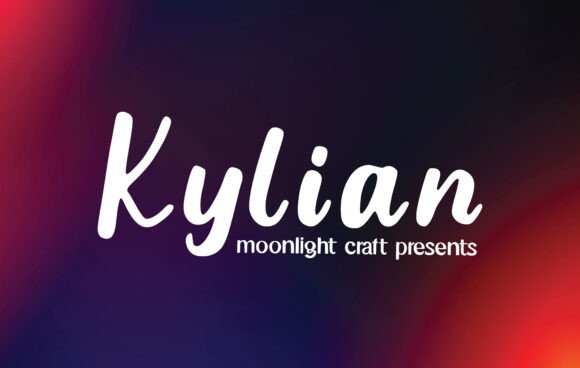
Euthopia: A Font for Thoughtful Design and Strategic Expression
When it comes to design, the right font can make all the difference. Euthopia is more than just a typeface—it's a tool that supports clarity, creativity, and communication in ways that align with strategic goals. With its delicate, relaxed, and flowing handwritten style, Euthopia offers a unique visual language that can elevate branding, enhance user experience, and support meaningful messaging.
The Strategic Value of Euthopia
Euthopia is designed with balance and elegance in mind. Its characters are well-proportioned, ensuring readability while maintaining a soft, artistic touch. This makes it particularly effective in environments where aesthetics and functionality must coexist. For professionals, educators, and creators, Euthopia provides a versatile option that can adapt to a wide range of design contexts.
One of the key strengths of Euthopia lies in its ability to convey warmth and approachability. In today’s fast-paced digital world, where users are constantly bombarded with information, a font that feels personal and inviting can stand out. Whether used in marketing materials, educational content, or creative projects, Euthopia helps establish a connection between the brand and the audience.
Supporting Goals Through Thoughtful Design
Design choices are not just about appearance—they reflect intent. When you choose Euthopia, you're making a statement about your values and priorities. It signals a commitment to quality, creativity, and user-centered thinking. This alignment is crucial when setting and achieving strategic goals.
For instance, a small business owner launching a new line of handmade products might use Euthopia in their packaging and website to emphasize craftsmanship and authenticity. The font's flowing nature evokes a sense of care and attention to detail, which resonates with customers looking for genuine experiences.
Similarly, educators creating digital learning materials can benefit from Euthopia’s readability and visual appeal. By using this font in lesson plans, presentations, or interactive content, they can foster engagement and make complex ideas more accessible. The font’s balanced structure ensures that even dense text remains easy to read, supporting better learning outcomes.
When to Use Euthopia and How to Approach It
Before integrating Euthopia into your design strategy, consider the context and purpose. This font works best in situations where a warm, artistic, and approachable tone is needed. It is ideal for:
- Branding materials such as logos, websites, and social media content
- Marketing campaigns that aim to build emotional connections
- Print and digital publications where readability and visual appeal are equally important
- Creative projects that require a unique and expressive design language
- User interfaces that prioritize usability without sacrificing aesthetic value
However, Euthopia may not be the best choice for every scenario. For example, in professional or formal settings where clarity and authority are paramount, a more structured font like Helvetica or Arial might be more appropriate. Understanding these nuances helps ensure that your design decisions are intentional and effective.
Practical Examples and Planning Tips
Let’s explore a few real-world applications of Euthopia to illustrate how it can be strategically used:
- Website Headers: Using Euthopia for headlines on a blog or portfolio site can immediately capture attention and set the tone for the content. Pair it with a clean sans-serif font for body text to maintain contrast and readability.
- Social Media Posts: On platforms like Instagram or Pinterest, Euthopia can add a touch of personality to captions and graphics. It works especially well in lifestyle, wellness, and creative niches.
- Email Campaigns: Incorporating Euthopia into subject lines or call-to-action buttons can make emails feel more engaging and less sterile. Just ensure that the font doesn’t compromise legibility on mobile devices.
- Product Packaging: For artisanal or boutique brands, Euthopia can help differentiate their offerings in a crowded market. It adds a human element that appeals to consumers seeking authenticity.
When planning to use Euthopia, always start by defining your goals. Are you trying to build trust, create excitement, or inspire action? Once you have a clear objective, select the appropriate size, color, and placement to maximize impact.
Long-Term Results and Decision-Making Guidance
Using Euthopia effectively requires more than just selecting a font—it involves thoughtful decision-making and long-term planning. Here are some considerations to keep in mind:
- Consistency: Ensure that Euthopia is used consistently across all touchpoints to reinforce brand identity and user expectations.
- Accessibility: Test the font at different sizes and backgrounds to confirm that it remains readable and inclusive for all users.
- Contextual Relevance: Align the font with the overall message and tone of your content. Avoid using Euthopia in situations where it might misrepresent your brand or confuse your audience.
- Feedback Loops: Gather insights from stakeholders, users, or team members to refine your approach and ensure that your design choices are meeting both strategic and practical needs.
By treating Euthopia as a strategic asset rather than a decorative flourish, you can unlock greater value from your design efforts. It becomes a tool that supports your broader objectives, whether they’re related to customer engagement, brand differentiation, or operational efficiency.
Risks of Using Euthopia Without Clear Goals
While Euthopia has many advantages, it’s important to recognize the potential risks of using it without a clear purpose. One common pitfall is relying on the font as a quick fix for visual appeal without considering its impact on messaging or user experience.
For example, a marketer might choose Euthopia for a campaign without fully understanding how it aligns with the target audience’s preferences or the overall brand voice. This can lead to a disconnect between the design and the intended outcome, ultimately reducing the effectiveness of the campaign.
Another risk is overusing the font in inappropriate contexts. Euthopia’s artistic nature may not be suitable for formal documents, technical reports, or legal materials where precision and professionalism are critical. Using it in such scenarios could undermine credibility and cause confusion.
To avoid these pitfalls, always evaluate Euthopia within the framework of your specific goals. Ask yourself: Does this font support my message? Will it resonate with my audience? Is it appropriate for the context? These questions help ensure that your design choices are both intentional and impactful.
Conclusion
Euthopia is more than just a beautiful font—it’s a strategic design tool that can enhance communication, support branding, and drive meaningful outcomes. By using it thoughtfully and intentionally, you can create designs that are not only visually appealing but also aligned with your broader objectives.
Whether you're an entrepreneur, educator, creator, or small business owner, Euthopia offers a unique opportunity to express your vision in a way that feels authentic and engaging. With careful planning, clear goals, and a focus on long-term results, you can harness the power of Euthopia to achieve greater success in your work.