Zanitha Script Font: A Graceful Choice for Elegant Design
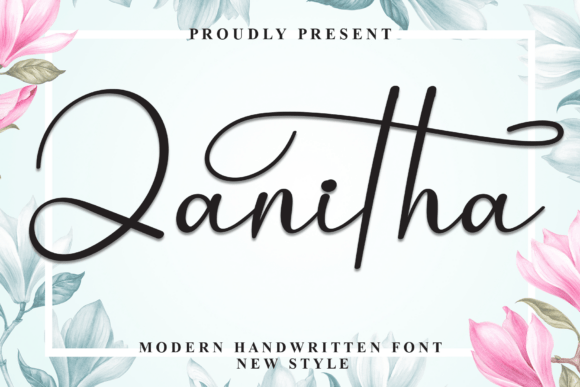
Zanitha is a script font that combines elegance with expressive beauty, offering a unique blend of sophistication and charm. Its flowing curves and smooth connections make it ideal for those seeking a handwritten feel in their design projects. Whether you're crafting wedding invitations, logos, branding materials, or social media graphics, Zanitha can elevate your visual presentation with its timeless appeal.
Why Zanitha Might Interest You
If you're looking for a font that exudes refinement and grace, Zanitha is worth considering. It’s particularly appealing to designers who want to add a personal touch to their work without sacrificing professionalism. The font's fluid lines and elegant structure make it suitable for both formal and romantic designs, giving it broad versatility.
Additionally, Zanitha is well-suited for creative industries such as graphic design, branding, and event planning. Its ability to convey emotion and personality through typography makes it an excellent choice for projects where visual storytelling is key.
Benefits of Using Zanitha
One of the primary benefits of Zanitha is its aesthetic appeal. The font’s graceful curves and seamless transitions create a sense of movement and elegance, making it stand out in any design context. This visual quality can help your content feel more engaging and memorable.
Zanitha also offers practical advantages. It is designed for readability, even in smaller sizes, which is important when using it in logos or social media graphics. Its clean structure ensures that text remains legible while maintaining its artistic flair.
Another advantage is its adaptability. Whether you're working on a high-end wedding invitation or a modern brand identity, Zanitha can be customized to fit different styles and themes. This flexibility allows designers to maintain consistency across various platforms and mediums.
Considerations and Tradeoffs
While Zanitha has many strengths, it’s important to consider its limitations. As a script font, it may not be the best choice for long-form text or technical documents. The stylized nature of the font can sometimes make it difficult to read in extended paragraphs, especially at smaller sizes.
Additionally, Zanitha may not be suitable for all audiences. Its ornate appearance might not align with minimalist or modern design trends. If your project requires a more contemporary or neutral look, you may need to explore alternative fonts that better match your vision.
It’s also worth noting that script fonts like Zanitha often require careful spacing and alignment to ensure optimal readability. This can add an extra layer of complexity to your design process, especially for beginners or those less experienced with typography.
Situations Where Zanitha Shines
Zanitha excels in scenarios where elegance and expressiveness are paramount. For instance, it’s an excellent choice for wedding invitations, where its romantic and refined style can enhance the overall atmosphere of the event. Similarly, it works well for logos and branding projects that aim to convey sophistication and uniqueness.
The font is also well-suited for social media graphics, where visual impact is crucial. Whether you're creating a post for a luxury brand or a personal blog, Zanitha can help your content stand out and capture attention with its distinctive style.
Moreover, Zanitha can be a great asset for creative portfolios or promotional materials that seek to showcase a designer’s artistic sensibilities. Its ability to evoke emotion and personality makes it a powerful tool for visual communication.
When to Consider Alternatives
While Zanitha is a fantastic option for many design needs, there are situations where alternatives may be more appropriate. For example, if you're designing a website or digital platform that requires clear and consistent typography, a sans-serif or serif font might be a better fit.
For projects that prioritize functionality over aesthetics, such as reports, brochures, or instructional materials, a more readable and structured font would likely be more effective. Additionally, if you're aiming for a modern or minimalist design, Zanitha’s ornate style may not align with your goals.
Designers should also consider the availability of Zanitha across different platforms and formats. Some fonts may not render consistently across all devices or software, which could affect the final output of your project.
Practical Insights for Decision-Making
When deciding whether to use Zanitha, it’s essential to evaluate your specific project requirements. Ask yourself: Does the font align with the tone and purpose of your design? Is it readable in the intended format and size? Will it effectively communicate your message?
Testing the font in different contexts is also important. Previewing how Zanitha looks in various applications—such as print, digital media, or social platforms—can help you determine its suitability for your needs. Pay attention to how it interacts with other design elements, such as colors, layouts, and imagery.
Finally, consider the long-term implications of your font choice. Will it remain relevant and versatile as your project evolves? Choosing a font that supports future adaptability can save time and effort in the long run.
In conclusion, Zanitha is a beautiful and expressive script font that can enhance a wide range of design projects. While it may not be the best fit for every situation, its elegance and charm make it a compelling option for those seeking a sophisticated and personalized typographic experience. By carefully evaluating your needs and testing the font in different contexts, you can determine whether Zanitha is the right choice for your creative vision.