Kovino: A Unique Approach to Organic Typography
Typography plays a crucial role in visual communication, and the right font can elevate a design from ordinary to extraordinary. Among the many typographic tools available, Kovino stands out as a distinctive choice that blends natural aesthetics with functional versatility. This article explores what makes Kovino unique, how it compares to other fonts, and when it might be the best fit for your creative projects.
What Is Kovino?
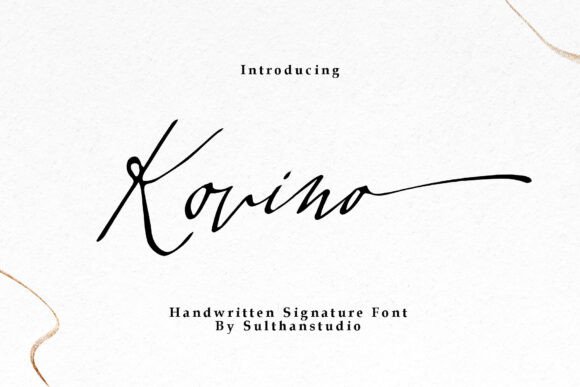
Kovino is a typeface designed to capture the essence of handwritten signatures, offering a sense of authenticity and individuality. Unlike traditional serif or sans-serif fonts, Kovino embraces an organic, handcrafted look that feels both personal and refined. Its design is inspired by the fluidity of handwriting, making it ideal for those who want to add a touch of warmth and character to their digital content.
The font’s structure is intentionally flexible, allowing for subtle variations in stroke weight and spacing. This adaptability means Kovino can be used in a variety of contexts without losing its signature charm. Whether you're crafting a greeting card, enhancing a social media post, or branding a product, Kovino offers a level of customization that aligns with modern design needs.
How Does Kovino Compare to Similar Fonts?
When evaluating Kovino against other fonts, it’s important to consider both its strengths and limitations. While there are many fonts that aim to mimic handwriting, few achieve the same balance of elegance and flexibility that Kovino provides.
For instance, fonts like Brush Script MT and Playfair Display are popular for their decorative qualities, but they often lack the subtlety and adaptability of Kovino. These fonts can sometimes feel too stylized or overly ornate, which may not suit every project. Kovino, on the other hand, maintains a clean yet expressive form that works well across different mediums.
Another point of comparison is Great Vibes, a font known for its playful and whimsical style. While Great Vibes is great for informal designs, it lacks the sophistication that Kovino brings to more professional settings. Kovino’s ability to transition between casual and formal use makes it a versatile option for designers looking for a middle ground.
Additionally, Kovino shares some similarities with Natural Ink Signature, a font that also emphasizes organic typography. However, Kovino offers a more refined and structured approach, making it better suited for applications where clarity and readability are important.
Strengths and Tradeoffs of Kovino
Kovino’s primary strength lies in its ability to convey personality and originality. The font’s natural curves and irregularities give it a sense of movement and spontaneity, which can be particularly effective in branding and marketing materials. It adds a human touch to otherwise sterile digital content, helping to build a stronger emotional connection with the audience.
However, this same characteristic can also be a limitation. Because Kovino is designed to feel handcrafted, it may not always be the best choice for highly formal or technical documents. In such cases, a more structured font would likely be more appropriate.
Another tradeoff is the font’s limited availability in certain platforms or software. While Kovino is widely supported in most design applications, users may need to download it separately or ensure compatibility with their specific tools. This could be a consideration for those working within strict technical constraints.
Best-Fit Situations for Using Kovino
Kovino is particularly well-suited for projects that benefit from a personal and artistic touch. For example, it excels in the following scenarios:
- Greeting Cards: Kovino can transform a simple card into a meaningful keepsake, adding a sense of intimacy and care.
- Social Media Content: The font’s organic style helps brands and individuals stand out in a crowded digital landscape, creating a memorable visual identity.
- Product Titles: When used in product listings, Kovino can enhance the perceived value and uniqueness of an item, encouraging customer engagement.
- Brand Identity: Companies looking to establish a warm, approachable brand image can leverage Kovino to create a cohesive visual language.
In these contexts, Kovino’s ability to blend creativity with functionality makes it a powerful tool for designers and content creators.
When to Consider Alternatives
While Kovino is a strong choice in many situations, there are instances where alternative fonts may be more suitable:
- Formal Documents: For legal, academic, or corporate documents, a more structured and legible font like Arial or Times New Roman would be more appropriate.
- Technical Writing: In fields such as engineering or science, clarity and precision are paramount. Fonts like Roboto or Helvetica offer greater readability and consistency.
- High-Volume Printing: If the font will be used in large-scale print runs, it’s essential to ensure that Kovino maintains its quality at different sizes and resolutions.
- Monochromatic Designs: Kovino’s natural strokes may not always translate well in black-and-white contexts, where contrast and detail are critical.
These considerations highlight the importance of matching the font to the specific needs of the project, rather than choosing based on aesthetics alone.
Making an Informed Decision
Choosing the right font involves more than just aesthetics—it requires understanding the context, audience, and purpose of the design. Kovino is an excellent option for those seeking a blend of artistry and practicality, but it’s not the only solution available.
Designers should evaluate their goals and the expectations of their target audience before making a decision. If the goal is to create a sense of authenticity and individuality, Kovino is a strong contender. However, if the project demands clarity, professionalism, or scalability, other fonts may be more suitable.
Ultimately, the key to successful typography lies in thoughtful selection and application. By considering factors such as readability, versatility, and alignment with brand identity, designers can make choices that enhance their work while meeting the needs of their audience.