Lime Green: A Vibrant Choice for Design and Typography
Lime green is more than just a color—it's a statement. Known for its bright, energetic tone, lime green has long been associated with freshness, vitality, and creativity. In the world of design and typography, this hue can be a powerful tool when used thoughtfully. Whether you're designing a website, creating print materials, or crafting digital content, understanding how to use lime green effectively can elevate your work and make it stand out.
Why Lime Green Matters in Design
The appeal of lime green lies in its ability to draw attention and evoke emotion. It’s often linked with nature, growth, and innovation—making it a popular choice for branding, marketing, and creative projects. When paired with the right font, lime green can create a dynamic visual experience that resonates with audiences.
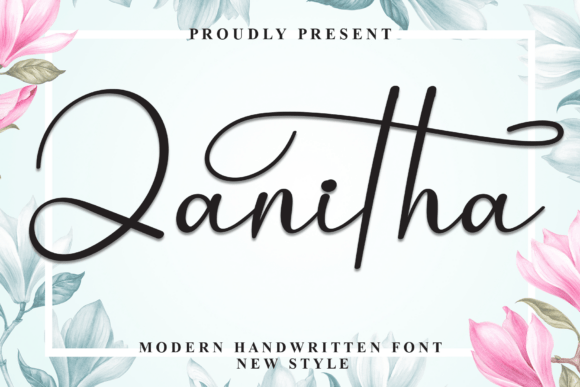
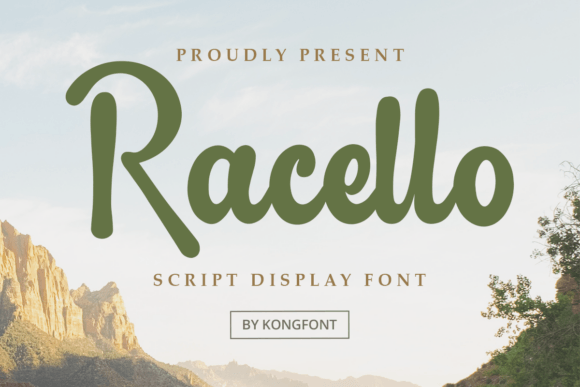
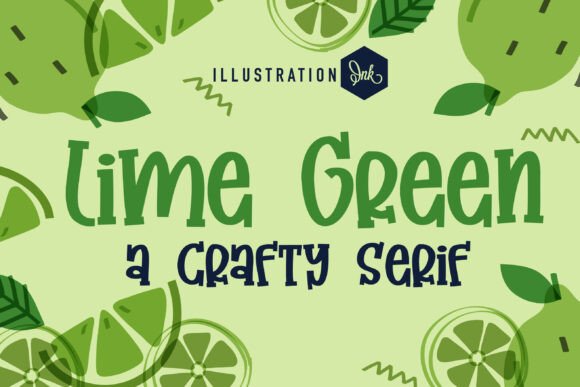
A hand-crafted font, such as one with slab serifs, adds a unique texture and personality to any design. These fonts are designed to look like they were written by hand, offering both formal and informal styles that can suit a wide range of purposes. They are especially effective in invitations, greeting cards, and other items where a personal touch is desired.
Common Mistakes When Using Lime Green and Hand-Crafted Fonts
While lime green and hand-crafted fonts can be visually striking, there are several common mistakes that designers and creators should avoid to ensure their work remains effective and appealing.
- Overusing lime green: While vibrant, lime green can easily overwhelm a design if not used carefully. It works best as an accent color rather than a dominant one.
- Ignoring contrast: Lime green is a high-contrast color, which means it can clash with certain backgrounds or other colors. Always test your design in different lighting conditions.
- Mismatching fonts: A hand-crafted font may not pair well with a modern or geometric typeface. Choose complementary styles that enhance rather than compete with each other.
- Not considering readability: Some hand-crafted fonts can be difficult to read at small sizes or on low-resolution screens. Always prioritize legibility over aesthetics.
- Overlooking accessibility: Lime green may not be accessible to people with color vision deficiencies. Consider using contrasting text colors or adding additional visual cues.
How These Mistakes Can Affect Your Work
Using lime green incorrectly can lead to a number of issues, from poor user experience to reduced brand credibility. For example, a website with too much lime green may appear chaotic or unprofessional, while a hand-crafted font that’s hard to read could frustrate users and reduce engagement.
Additionally, mismatched design elements can confuse your audience and dilute your message. If your goal is to convey professionalism, a bold lime green with a whimsical hand-crafted font might not be the best choice. On the other hand, a subtle use of lime green with a clean, modern font can help reinforce a fresh and innovative brand image.
Practical Tips for Choosing and Using Lime Green and Hand-Crafted Fonts
To make the most of lime green and hand-crafted fonts, consider the following tips:
- Start with a clear purpose: Ask yourself what you want to achieve with your design. Is it to grab attention, build trust, or create a sense of fun? Your choice of color and font should align with that goal.
- Test in different contexts: Preview your design on various devices and in different environments to ensure it looks good under all conditions.
- Balance is key: Use lime green sparingly and pair it with neutral or complementary colors to maintain visual harmony.
- Choose fonts that match your brand: A hand-crafted font can add character, but it should also reflect the tone and values of your brand. Avoid using a font that feels out of place or inconsistent with your overall design language.
- Ensure readability: Always check how your text appears at different sizes and resolutions. Make sure your message is clear and easy to understand.
- Consider accessibility: Test your design with tools that simulate color blindness or low vision to ensure it’s inclusive and user-friendly.
Realistic Examples and Better Approaches
Imagine you're designing a website for a wellness brand. You want to convey energy and positivity. Instead of covering the entire site in lime green, use it as an accent in call-to-action buttons or headers. Pair it with a clean, modern sans-serif font for better readability. This approach maintains visual interest without overwhelming the user.
Another example: A boutique business owner wants to create a handmade greeting card. A hand-crafted slab serif font would add a personal, artisanal feel. However, it should be used in larger text for headings and titles, with a simpler font for body copy to ensure clarity.
What to Check Before Making a Decision
Before finalizing your design choices, take the time to evaluate the following:
- Does the color and font support your message? Are they aligned with your brand identity and target audience?
- Is the design functional and user-friendly? Can your audience easily navigate and understand your content?
- Are there any potential accessibility issues? Will your design be usable by people with different needs and abilities?
- Have you tested your design across different platforms? Does it look good on desktops, mobile devices, and tablets?
- Are you using the right tools and resources? Are you familiar with the features and limitations of the fonts and software you're using?
By asking these questions, you can make informed decisions that lead to better results and greater satisfaction with your design work.