Mantra: A Stylish Script Font for Modern Design Needs
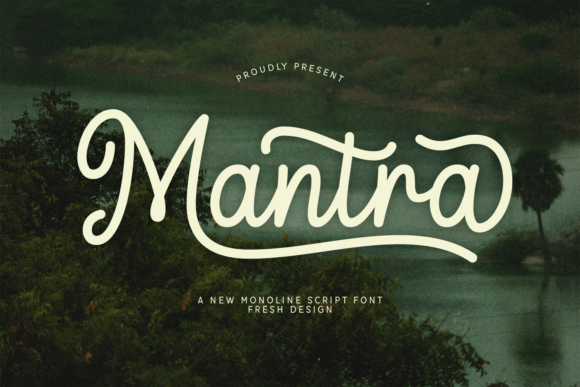
In the world of graphic design and branding, typography plays a crucial role in shaping the visual identity of a project. One font that has gained popularity for its elegant yet approachable style is Mantra. This stylish monoline script font features smooth, flowing lines that create a handwritten feel, making it both visually appealing and easy to read. Whether you're designing logos, invitations, or social media content, Mantra offers a modern, personal touch that can elevate your creative work.
Mantra is more than just a beautiful font—it's a versatile tool that can help designers meet a variety of goals. From small business branding to personal projects, this font adapts well to different needs while maintaining its signature charm. Its monoline structure ensures consistency in stroke weight, which enhances readability even when used in larger formats or at smaller sizes.
Understanding the Challenges of Typography in Design
Designers often face challenges when choosing the right typeface for their projects. One common issue is finding a font that balances aesthetics with functionality. Many script fonts can be difficult to read, especially at smaller sizes or in dense text blocks. Additionally, creating a unique visual identity without sacrificing legibility is a balancing act that requires careful consideration.
Another challenge is ensuring that the chosen font aligns with the brand's personality and message. A font should not only look good but also communicate the intended tone—whether it's professional, playful, elegant, or casual. This is where Mantra shines. Its fluid, connected strokes give it a handcrafted appearance, making it ideal for projects that require a personal and artistic flair.
How Mantra Addresses These Design Needs
Mantra addresses these challenges by offering a font that is both stylish and practical. Its flowing lines create a sense of movement and elegance, which is perfect for logos and branding materials. At the same time, its consistent stroke weight and clear letterforms ensure that it remains legible across various applications.
The font's monoline design also makes it highly adaptable. It works well in both digital and print formats, and it maintains its character whether used in isolation or as part of a larger typographic composition. This versatility allows designers to use Mantra in a wide range of contexts, from social media graphics to event invitations.
Practical Applications of Mantra in Design
Mantra is particularly well-suited for projects that require a touch of sophistication and individuality. Here are some practical applications where this font excels:
- Logos and Branding: The elegant, flowing style of Mantra makes it an excellent choice for logo design. It adds a sense of craftsmanship and uniqueness to a brand’s visual identity.
- Social Media Content: With its modern and personal aesthetic, Mantra is ideal for creating eye-catching posts, stories, and banners that stand out on platforms like Instagram and Facebook.
- Invitations and Event Materials: Whether it's a wedding invitation or a corporate event flyer, Mantra brings a refined and artistic quality to the design.
- Personal Projects: For designers working on personal portfolios or creative endeavors, Mantra offers a stylish alternative to more traditional serif or sans-serif fonts.
When using Mantra, it's important to consider how it interacts with other elements of the design. Pairing it with complementary fonts or background textures can enhance its visual impact without overwhelming the viewer.
Considerations for Using Mantra Effectively
To get the most out of Mantra, designers should keep a few key considerations in mind:
- Use in Moderation: While Mantra is visually striking, it should be used sparingly. Overuse can lead to visual clutter, especially in longer text blocks.
- Test Across Devices: Ensure that the font looks great on all screen sizes and resolutions. This is especially important for web-based designs.
- Pair with Legible Text: When using Mantra for headlines or accents, pair it with a more readable body font to maintain clarity.
- Explore Customization Options: Some platforms offer customization tools that allow users to adjust spacing, kerning, and other typographic details to better suit their needs.
By following these best practices, designers can maximize the potential of Mantra while ensuring that their work remains both aesthetically pleasing and functionally effective.
Who Benefits Most from Using Mantra?
Mantra appeals to a wide range of designers, from beginners to professionals, who are looking for a font that combines beauty with usability. Small business owners may use it to create a distinctive brand identity, while graphic designers might incorporate it into their portfolio to showcase their creative versatility.
For those who value a personal touch in their designs, Mantra offers a way to add character and warmth to otherwise sterile layouts. It’s also a great option for designers who want to avoid overused fonts and instead opt for something unique and memorable.
Ultimately, Mantra is a font that speaks to the modern designer’s need for both style and substance. It bridges the gap between artistry and functionality, making it a valuable addition to any designer’s toolkit.